Tutorials
The notion of "openness" within the realm of artificial intelligence is experiencing a significant paradigm shift, drawing parallels to the formative years of open-source initiatives. This redefinition has ignited fervent discussions within the technology community, notably illustrated by the recent leadership fluctuations at OpenAI, involving CEO Sam Altman's departure and subsequent return amidst substantial board restructuring.
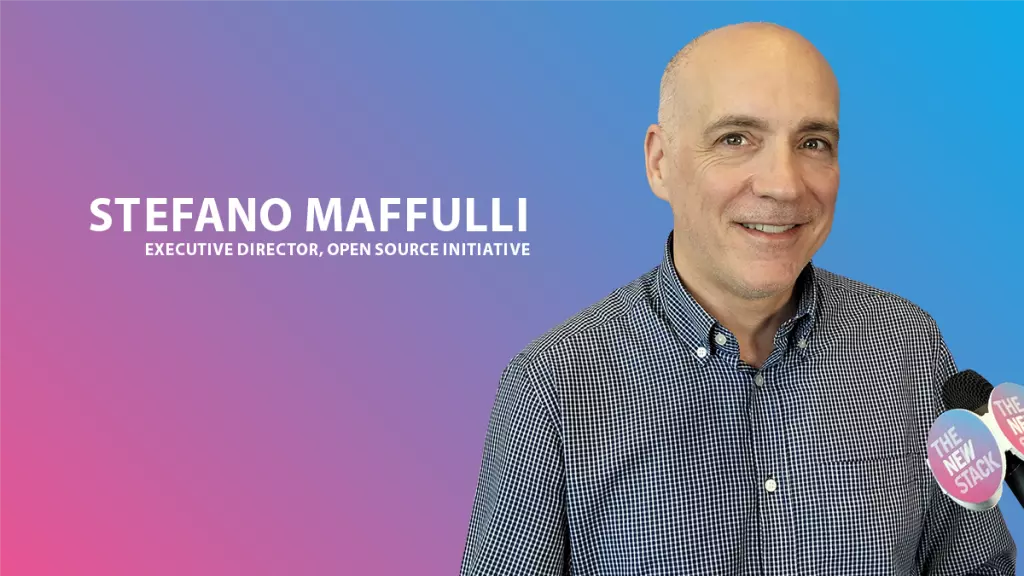
These events underscore a fundamental divergence in perspectives, suggesting that AI necessitates a distinct interpretation of "open" compared to conventional open-source software. Stefano Maffulli, executive director of the Open Source Initiative (OSI), highlighted during an interview at the Open Source Summit in Bilbao the ongoing effort to formulate a comprehensive definition for open-source AI. This initiative aims to establish a preliminary set of guiding principles by the close of the year. Maffulli likened the current state of AI to the 1970s, when software first emerged from laboratories, presenting novel challenges regarding intellectual property rights. He emphasized that AI models, particularly large language models with their intricate parameters, don't seamlessly fit into existing copyright frameworks, as their creations are often the result of complex computational elaboration rather than direct human authorship. The rapid advancement of AI necessitates a swift resolution to these definitional ambiguities, leveraging past experiences in community-driven definition-making, such as those that shaped the Debian free software guidelines, which later influenced the Open Source Definition.
The debate further intensifies when considering the paradoxical nature of transparency in AI; a less transparent model might face fewer legal challenges related to copyright infringement than one that openly reveals its internal workings. The recent turmoil at OpenAI, with contrasting viewpoints between "safetyists" and those advocating for a more experimental approach, exemplifies these underlying belief system differences. Reflecting on the history of open source, it becomes clear that establishing and maintaining trust holds greater long-term value for commerce than the sole pursuit of technical superiority. As we strive to define what "open" truly means in the context of AI, fostering trust and collaboration will be paramount for navigating this evolving technological landscape.
In this rapidly evolving digital era, the collaborative spirit and ethical considerations inherent in open-source principles must serve as a compass for the development of artificial intelligence. By embracing transparency, fostering community engagement, and prioritizing the societal impact of AI, we can ensure that these powerful technologies are harnessed for the collective good, promoting innovation responsibly and ethically.