Tutorials
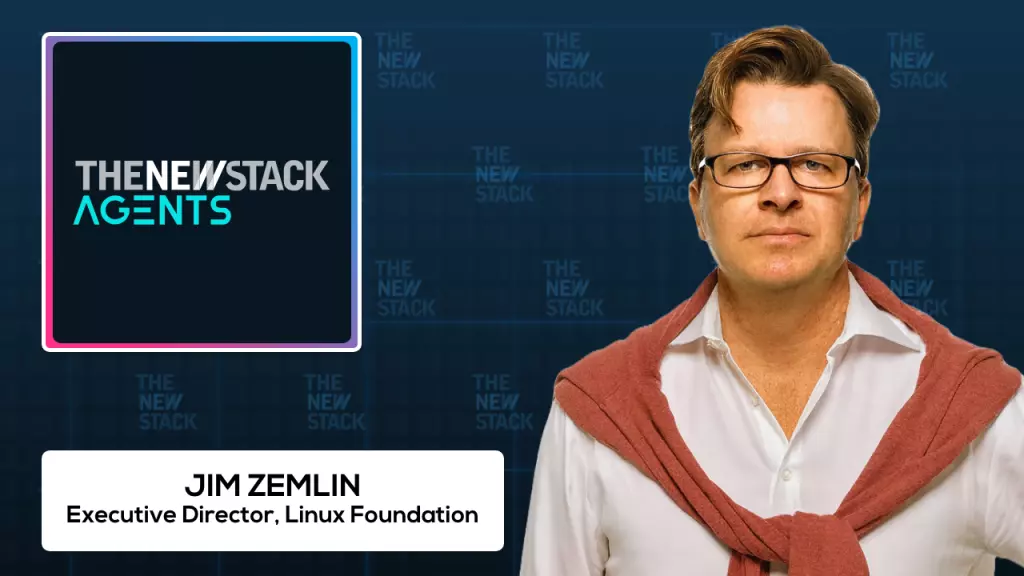
AMSTERDAM — The Open Source Summit in Amsterdam recently hosted a significant discussion on the trajectory of open source artificial intelligence. Jim Zemlin, the esteemed executive director of the Linux Foundation, engaged with representatives from The New Stack Agents to delve into the current status of open source AI, the pivotal role the Linux Foundation plays in upholding the openness of AI models and tools, and the emergence of new standards.
A central theme of the discussion revolved around the absence of a singular, overarching foundation for open source AI, akin to the Cloud Native Computing Foundation (CNCF) within the cloud-native realm. The CNCF, which began with the contribution of Kubernetes, now encompasses over 200 projects, providing a vendor-neutral home for its ecosystem. In contrast, the open source AI landscape, while hosting diverse initiatives like the PyTorch Foundation, LF AI & Data, and numerous independent projects under the Linux Foundation, lacks such a unified umbrella organization.
Zemlin noted the multifaceted evolution of the AI stack. Initially, the focus was on developing foundational models and projects like PyTorch and TensorFlow. Subsequently, attention shifted towards open-weight models from entities such as DeepSeek and Mistral. Presently, the industry is increasingly concentrating on inference stacks, intelligent agents, and open protocols.
He expressed anticipation for a more concerted effort in the domain of agentic AI, acknowledging that it would take time for the community to coalesce around a standardized approach, define key components, and establish protocols for agent-to-agent communication. Despite the potential benefits of a unified open source AI foundation, Zemlin underscored the difficulty of predetermining such structures as technology rapidly advances. His guiding principle for nascent open source communities is to avoid stifling innovation.
Zemlin further elaborated on the delicate balance required for a foundation to facilitate growth without becoming an impediment. He cited the immense undertaking of making Kubernetes ubiquitous and transitioning the world from virtual machines to container-based applications, which necessitated rebuilding the entire toolchain. The Linux Foundation strives for a hands-off approach, allowing projects to evolve organically. However, if a larger collective effort becomes beneficial for advancing the entire ecosystem towards agent technology without hindering innovation, the foundation aims to support it.
Regarding the ongoing debate surrounding the definition of open source models — particularly whether open-weight models qualify as truly open source and their place within foundations — Zemlin adopted a pragmatic stance. He recognized the substantial resources, both financial and otherwise, required to develop cutting-edge models. While the open community ideally seeks complete openness, including open data, Zemlin suggested a realistic perspective. He advised against dismissing open-weight models for not being “pure enough,” considering the capital expenditure and data access challenges involved. He believes the trend of open-weight models is crucial and anticipates the eventual emergence of entirely open models, from data to deployment.
In response to these complexities, the Linux Foundation introduced the Model Openness Framework, which offers a nuanced perspective on the degree of openness in a model. Zemlin, however, acknowledged that for many developers, this remains largely an academic discussion.
This insightful conversation also touched upon China's investments in open source software, the implications of European regulations such as the Cyber Resilience Act on open source projects, and Zemlin's personal engagement with AI technologies.
The article provides an in-depth look into the state of open source AI through an interview with Jim Zemlin, executive director of the Linux Foundation, at the Open Source Summit in Amsterdam. Key points include the current fragmentation of the open source AI ecosystem compared to the unified CNCF model, the evolving focus of AI development from foundational models to agents and open protocols, and the Linux Foundation's cautious approach to guiding innovation without stifling it. Zemlin also addresses the nuanced definition of open source models, emphasizing pragmatism regarding open-weight models and the ambitious goal of achieving end-to-end open AI. The discussion underscores the complexities and opportunities in fostering a robust and open AI landscape.
In the vibrant city of Amsterdam, during the bustling Open Source Summit in early September 2025, Jim Zemlin, the visionary executive director of the Linux Foundation, engaged in a candid discussion with The New Stack Agents. This pivotal meeting centered on the rapidly evolving landscape of open source artificial intelligence, highlighting the Linux Foundation's crucial role in maintaining an open and accessible environment for AI models and associated tools, while also exploring emerging standards and the path forward for this transformative technology.
Zemlin articulated a significant observation: unlike the mature Cloud Native Computing Foundation (CNCF), which has successfully created a vendor-neutral home for the cloud-native ecosystem with over 200 projects, the open source AI community currently lacks a comparable centralizing entity. While the Linux Foundation proudly hosts critical initiatives such as the PyTorch Foundation, LF AI & Data, and numerous independent projects, the absence of a unified, CNCF-like umbrella foundation presents unique challenges and opportunities within the AI sphere.
He meticulously traced the dynamic progression of the AI stack, noting an initial concentration on foundational models like PyTorch and TensorFlow. This was followed by a notable shift towards open-weight models championed by innovators such as DeepSeek and Mistral. Presently, the industry's gaze is increasingly fixed on the intricate domains of inference stacks, sophisticated AI agents, and the establishment of universally accessible open protocols.
Looking ahead, Zemlin anticipated a future characterized by more collaborative endeavors, particularly within the nascent field of agentic AI. He acknowledged that achieving a collective consensus on the architectural approach to this stack, defining its diverse components, and standardizing agent-to-agent communication protocols would naturally require considerable time and collective effort. Despite the perceived convenience of a single, unifying open source AI foundation, Zemlin cautioned against premature structuring, emphasizing his primary directive for emerging open source communities: “don’t screw it up.” He stressed the importance of allowing organic growth and innovation to flourish without the imposition of overly rigid frameworks.
Furthermore, Zemlin elaborated on the delicate equilibrium a foundation must strike between facilitating expansive growth and preserving agile innovation. Drawing parallels with the monumental effort required to popularize Kubernetes and transition the technological world to container-based applications, he underscored the need to rebuild entire toolchains to support new paradigms. The Linux Foundation, he explained, endeavors to adopt a hands-off approach, fostering an environment where projects can develop naturally. However, he affirmed the foundation's readiness to support a broader collective effort if it proves beneficial in steering the entire ecosystem toward advanced agent technology, ensuring such initiatives do not impede individual innovation.
Addressing the persistent debate surrounding the precise definition of open source models — particularly the inclusion of open-weight models — Zemlin adopted a refreshingly pragmatic stance. He acknowledged the substantial investments of resources and capital necessary for developing cutting-edge frontier models. While he recognized the open community's aspiration for complete transparency, extending to open data, he urged realism. He advocated against dismissing open-weight models for perceived imperfections, especially given the considerable financial outlays and data access challenges involved. Zemlin expressed confidence that the open-weight model trend is constructive and predicted the eventual realization of fully end-to-end open models, encompassing all stages from data acquisition to final deployment.
In a tangible effort to navigate these complexities, the Linux Foundation has proactively developed the Model Openness Framework, a tool designed to offer a nuanced understanding of a model's degree of openness. Nevertheless, Zemlin candidly admitted that, for the majority of developers, this framework often remains a largely academic discussion, highlighting the ongoing challenge of translating theoretical frameworks into practical, accessible guidance.
The comprehensive interview extended beyond AI specifics, touching upon significant geopolitical and regulatory topics, including China's burgeoning investments in open source software, the far-reaching implications of European regulations like the Cyber Resilience Act on open source projects, and Zemlin's personal insights into his own engagement with AI technologies.
As a journalist observing the unfolding narrative of open source AI, Jim Zemlin's insights offer a compelling blend of pragmatism and vision. The current fragmented landscape of open source AI, in stark contrast to the consolidated success of the CNCF, underscores the inherent challenges in unifying a rapidly evolving technological domain. Zemlin's emphasis on a 'hands-off' approach to foster organic innovation, while still recognizing the potential utility of collective efforts, resonates deeply. It highlights a critical balancing act: guiding a nascent field without imposing rigid structures that could stifle the very innovation it seeks to nurture. The discussion on open-weight models and the pragmatic acceptance of their role, despite not meeting an idealized 'pure open source' definition, reveals a realistic understanding of resource-intensive AI development. It prompts us to consider that true progress often lies in adaptable frameworks rather than rigid dogmas. The aspiration for end-to-end open models remains a powerful beacon, but the journey demands strategic compromises and an acknowledgment of practical limitations. This conversation is not merely about technology; it's about governance, community building, and navigating the socio-economic forces shaping the future of intelligence itself. It serves as a potent reminder that the path to truly open and equitable AI is complex, requiring continuous dialogue, thoughtful leadership, and an unwavering commitment to both innovation and accessibility.