Tutorials
The OpenSearch project has undergone a remarkable metamorphosis since its debut in 2021. A critical milestone in its journey was the recent transfer to the Linux Foundation, a move that signals a new era for this community-driven, Apache 2.0-licensed data search and analytics suite.
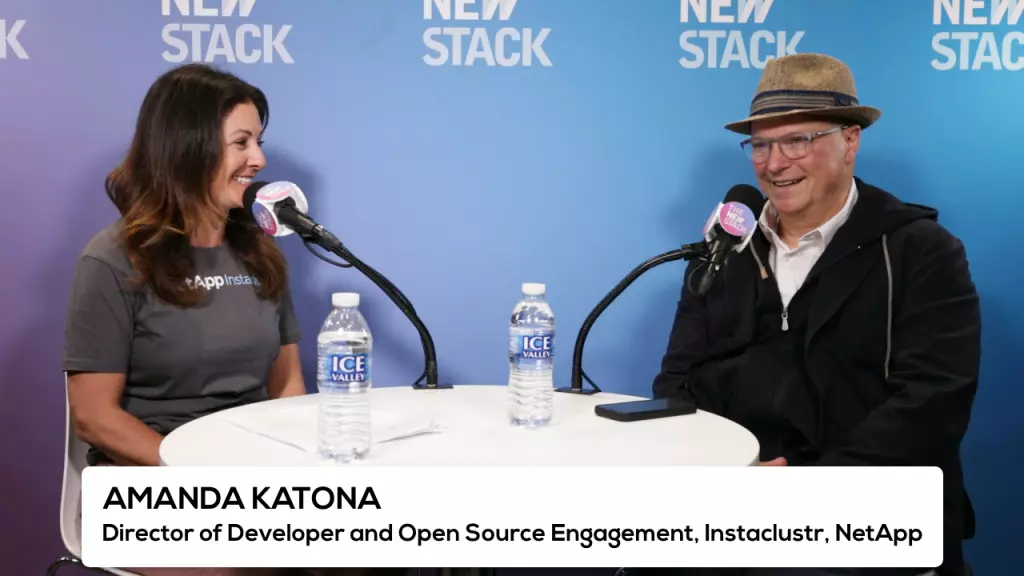
Amanda Katona from NetApp, a leading voice in the open source community, recently discussed OpenSearch's progression with Alex Williams of The New Stack Makers. Their conversation, recorded at KubeCon + CloudNativeCon Europe in London, delved into the project's evolution, its expanding community, and the profound impact of neutral governance under the Linux Foundation. This shift has demonstrably spurred contributions and broadened enterprise engagement.
As the head of an open source engineering team specializing in data infrastructure at NetApp, Katona has had a front-row seat to OpenSearch's development. NetApp's commitment to the project solidified in 2021, following Elasticsearch's departure from Apache 2.0 licensing. This strategic decision positioned NetApp as a key player, providing managed services for OpenSearch by November 2021, driven by customer demand and a clear market shift.
The move to the Linux Foundation in September marked a significant turning point, transitioning OpenSearch from a company-led initiative to one governed by a neutral entity. This change has yielded impressive results, with downloads increasing by 56% and a surge in contributor participation. Katona emphasized that neutral governance removes the bureaucratic hurdles often faced by large enterprises, making it easier for them to contribute to the project. The discussion around OpenSearch has also matured, shifting from basic inquiries about its function to more advanced topics like migration strategies from Elasticsearch. NetApp's deepened involvement includes dedicated engineers for machine learning plugins, developer advocates, and full-time technical operations support. Anticipation is high for the OpenSearch 3.0 release, expected to feature an upgrade to Lucene 10, promising enhanced performance for intricate search queries.
The current landscape of data expansion is described by Katona as "mind-blowing," underscoring the critical need for robust solutions to store, locate, and analyze vast datasets. OpenSearch, with its foundation-based governance, offers a compelling answer to this challenge. Katona foresees further enhancements in product documentation and security audits, reinforcing confidence in the platform's long-term viability. The aversion to vendor lock-in continues to drive user adoption, with the Linux Foundation's oversight providing a sense of security and assurance in the project's longevity.
The journey of OpenSearch, from its inception as a response to licensing changes to its current standing under the Linux Foundation, exemplifies a remarkable transformation in the open source ecosystem. This shift to neutral governance has been a catalyst for unprecedented growth, fostering a vibrant community and accelerating widespread enterprise adoption. The strategic decision to move beyond company-led development has dismantled barriers to contribution, allowing a diverse range of organizations and individuals to actively participate in shaping the project's future. This newfound collaborative environment has not only boosted the project's technical capabilities but also solidified its position as a reliable and sustainable alternative in the data search and analytics domain.
OpenSearch's move to the Linux Foundation in September was a watershed moment, fundamentally altering its trajectory. This strategic transition from a corporate-managed project to one under a neutral, community-focused foundation has unleashed a wave of engagement and innovation. Amanda Katona of NetApp highlighted the tangible benefits, noting a substantial 56% increase in downloads and a significant uptick in active contributors. This surge is directly attributed to the removal of bureaucratic complexities that often hinder enterprise contributions under corporate governance models. The narrative surrounding OpenSearch has evolved from basic awareness to practical discussions about migration from legacy systems like Elasticsearch, reflecting a growing maturity and user confidence. NetApp's intensified commitment, evident in dedicated engineering for machine learning integrations and robust technical support, underscores the strategic importance of OpenSearch. The upcoming OpenSearch 3.0 release, featuring an upgrade to Lucene 10, is eagerly awaited for its promise of faster and more efficient processing of complex data queries, further cementing OpenSearch's role in addressing the ever-increasing demands of data-intensive applications.
The contemporary business environment is characterized by an explosion of data, presenting both immense opportunities and significant challenges for organizations. OpenSearch stands out as a critical tool in navigating this complex landscape, providing the necessary capabilities to effectively manage and extract value from vast and continuously expanding datasets. The platform's evolution, particularly its strong governance model under the Linux Foundation, offers a compelling solution for enterprises seeking scalable, flexible, and secure data search and analytics tools. This strategic positioning ensures that OpenSearch remains at the forefront of innovation, continuously adapting to the evolving needs of the data-driven world.
As Amanda Katona succinctly put it, the current rate of data expansion is "mind-blowing," necessitating robust solutions for data storage, retrieval, and analysis. OpenSearch provides a powerful answer to these demands, offering an efficient and scalable platform for managing big data. The project's future looks promising under the Linux Foundation, with expectations for enhanced product documentation and rigorous security audits, reinforcing its commitment to quality and reliability. This foundation-based governance model plays a crucial role in building trust, particularly for organizations wary of vendor lock-in. The assurance of long-term viability and community support provided by the Linux Foundation fosters a sense of security among users, encouraging broader adoption. This collaborative framework, reminiscent of successful models like Kubernetes, empowers the community to drive innovation, including advancements in machine learning capabilities within the OpenSearch ecosystem, ultimately supporting enterprises in their quest to harness the full potential of their data.