ClawDeck: Advanced Command Center for AI Agent Orchestration
ByEthan Stone
In the rapidly evolving landscape of artificial intelligence, managing individual AI agents is often straightforward. However, the complexity escalates dramatically when deploying a multitude of agents across diverse teams, projects, and environments. Organizations transitioning from experimental AI agent use to full-scale production implementation frequently encounter a significant operational void: a lack of unified insight into agent activities, performance metrics, and the need for timely intervention. This is precisely the void that ClawDeck aims to fill, serving as a sophisticated command center for an organization's AI agent fleet, enabling seamless oversight and control.
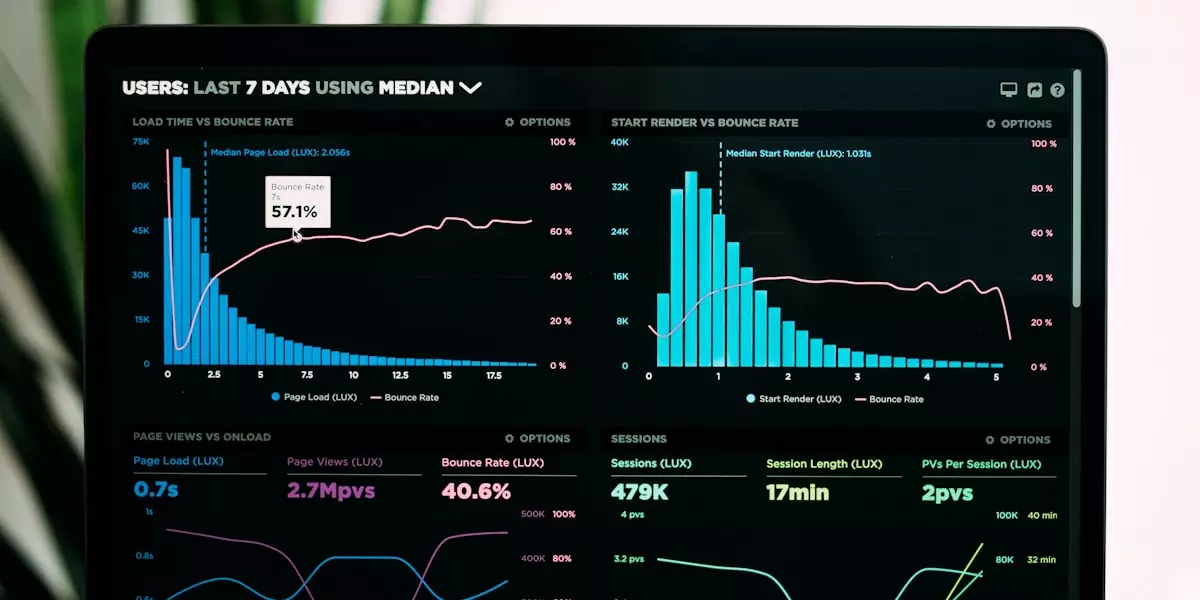
ClawDeck distinguishes itself by offering a robust agent management dashboard that centralizes the monitoring and control of distributed AI agents. Its core functionalities are meticulously designed to alleviate common pain points associated with scaling agent deployments. Key features include comprehensive session tracking, which logs and makes searchable every agent interaction, providing invaluable data for debugging, auditing, and understanding behavioral patterns. Furthermore, ClawDeck offers real-time monitoring through a live dashboard, showcasing the status of active agents, their tasks, operational duration, and any anomalies, with customizable alert systems for unusual behavior or resource consumption. Beyond mere observation, ClawDeck facilitates orchestration, allowing teams to define complex workflows involving multiple agents, manage task dependencies, and seamlessly transfer work between specialized agents for intricate pipelines. An integrated log aggregation system collects, indexes, and makes searchable agent logs from across the infrastructure, eliminating the need for disparate log file investigations.
The strategic decision to open-source ClawDeck underscores its commitment to fostering trust and transparency in AI agent management. In an area where the handling of data, storage methods, and access protocols are paramount, an open-source model empowers organizations to scrutinize the codebase, deploy the dashboard on their own infrastructure, and tailor it to specific security and compliance mandates. This collaborative approach, characterized by active contributions from both the core development team and the wider community, ensures prompt issue resolution and comprehensive documentation for all users and contributors. ClawDeck represents a pivotal moment in the maturation of the AI agent ecosystem, shifting focus from merely building functional agents to effectively managing, monitoring, and governing them at scale, much like how Kubernetes became indispensable for container orchestration.
The journey of technological advancement consistently shows that foundational capabilities precede operational tooling. Just as the emergence of cloud computing, containers, and microservices necessitated robust management solutions, the burgeoning field of AI agents now demands platforms like ClawDeck. By providing critical oversight and control, ClawDeck not only streamlines current AI deployments but also lays the groundwork for future innovation, ensuring that AI technologies can be integrated and scaled responsibly and effectively. Embracing such tools propels us toward a future where intelligent automation is not only powerful but also transparent, manageable, and ultimately, a force for good in advancing organizational efficiency and societal progress.
About the author
Ethan Stone
Ethan Stone is a recognized expert in the field of OpenClaw, known for his innovative contributions to its foundational frameworks and practical applications. He has dedicated his career to advancing the OpenClaw ecosystem, particularly in developing robust and scalable solutions for complex data processing. His work is frequently cited for its clarity and depth, and he is a sought-after speaker at industry conferences, where he shares insights on the future of OpenClaw technologies and their impact on various sectors.



 by Ethan Reed